Camera angles and movements in Shang-Chi and the Legend of the Ten Rings
Fight scenes
Shang-Chi and the Legend of the Ten Rings is a very impressive movie, but one of it's most entertaining aspects are its action scenes!
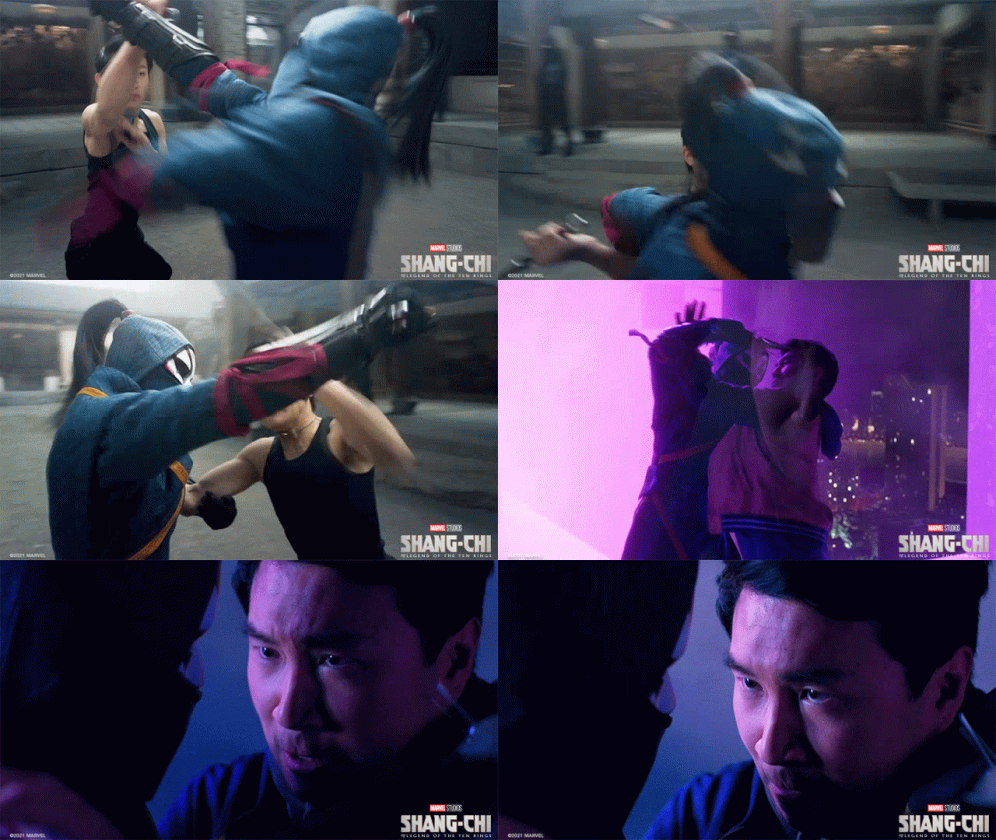
The fight scenes involved many kind of shots, depending on the context, and the story telling from the action. For example, whenever Shang-Chi pulls off an impressive stunt, or is locked in combat with a daunting foe, the movie utilized horizontal arc movement to show how the tide of the fight shifts from one character to another and the choreography involved in the scene. This really helps convey the energy and action in the scene, as everything, including the camera, is moving. Viewers are able to appreciate the action more now that it is shown in many different angles.

Above shots are often used during intense fighting scenes, typically between two powerful characters, that heavily emphasize on choreography to help viewers understand the emotions of the fight. The top down view allows viewers to focus on the graceful movement of the characters in combat, almost as if these characters were dancing together. The above shot visually makes the choreography easier for viewers to track since it utilizes the floor as a background.
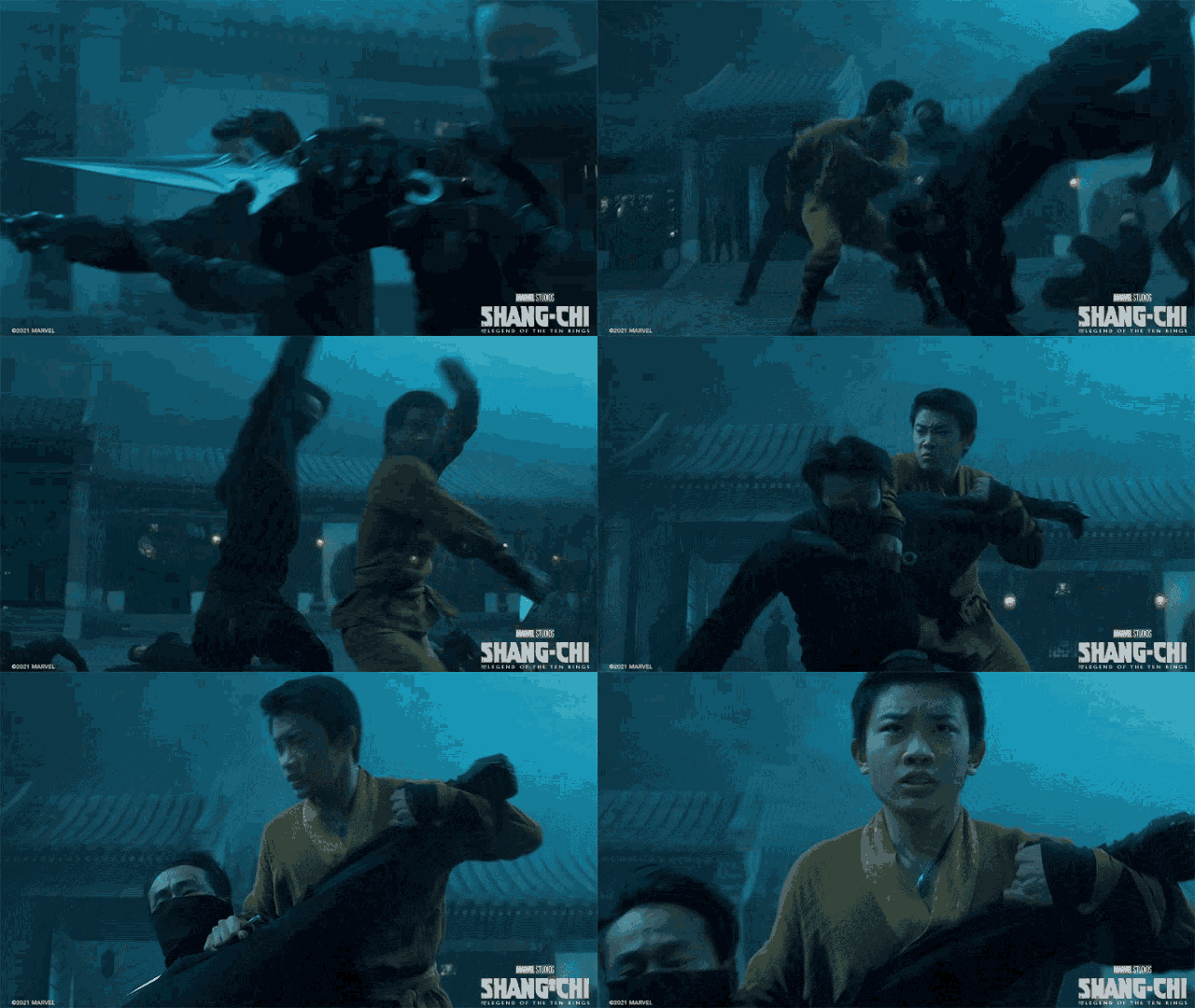
In most fighting scenes that involve traversing through the fights make use of Steadicam shots to convey story or emotion through the scene by changing what's visibly in frame. For example, in the scene above, an intense fight is centered around Shang Chi, as he swiftly defeats his enemies, the Steadicam closes in on his face to show what his emotion is after the fight is resolved.

Whenever they try to show attachment between protagonist and 2nd important character, they would be involved in brief two-shots. This shows close attachment between two characters because they physically have to be close together in order to fit in these kind of scenes. These scenes also utilize character behavior and dialogue to show affection to those in the scene.
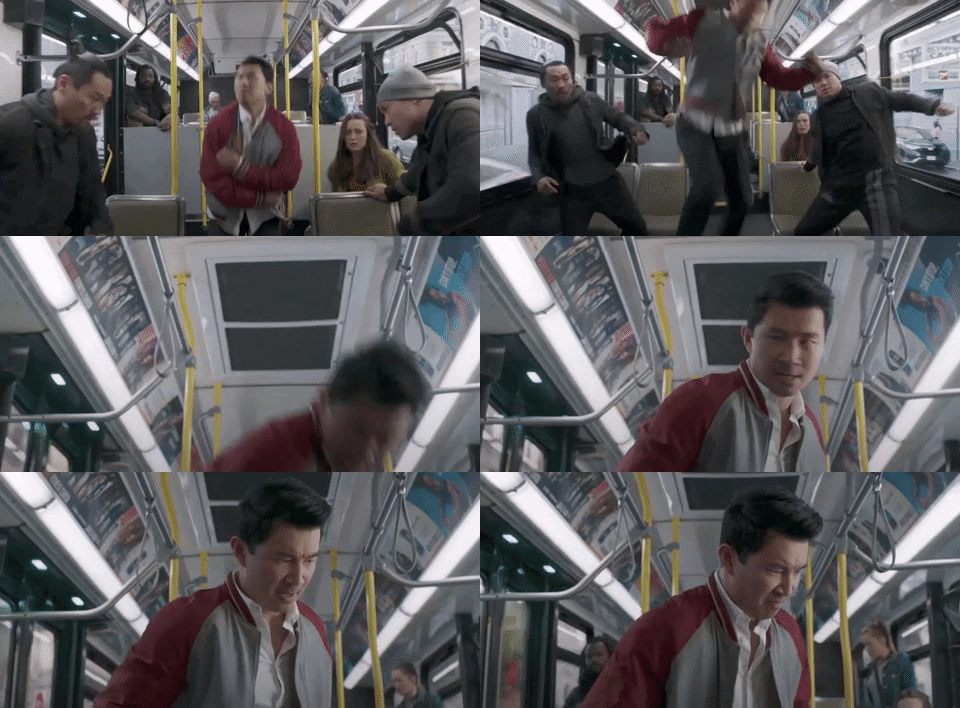
Action scenes like a car chase and hijacked bus used a dolly to move backwards or forwards in a scene to show each character involved in the action on different foreground and backgrounds. The dolly movement represents the movement in the environment, as the camera often times move in the same direction as the car or bus it's in. This helps evolve the scenery, as the camera moves further back, more of the surroundings is introduced.

Comments
Post a Comment